Evidence notebook
What repeat photography can show
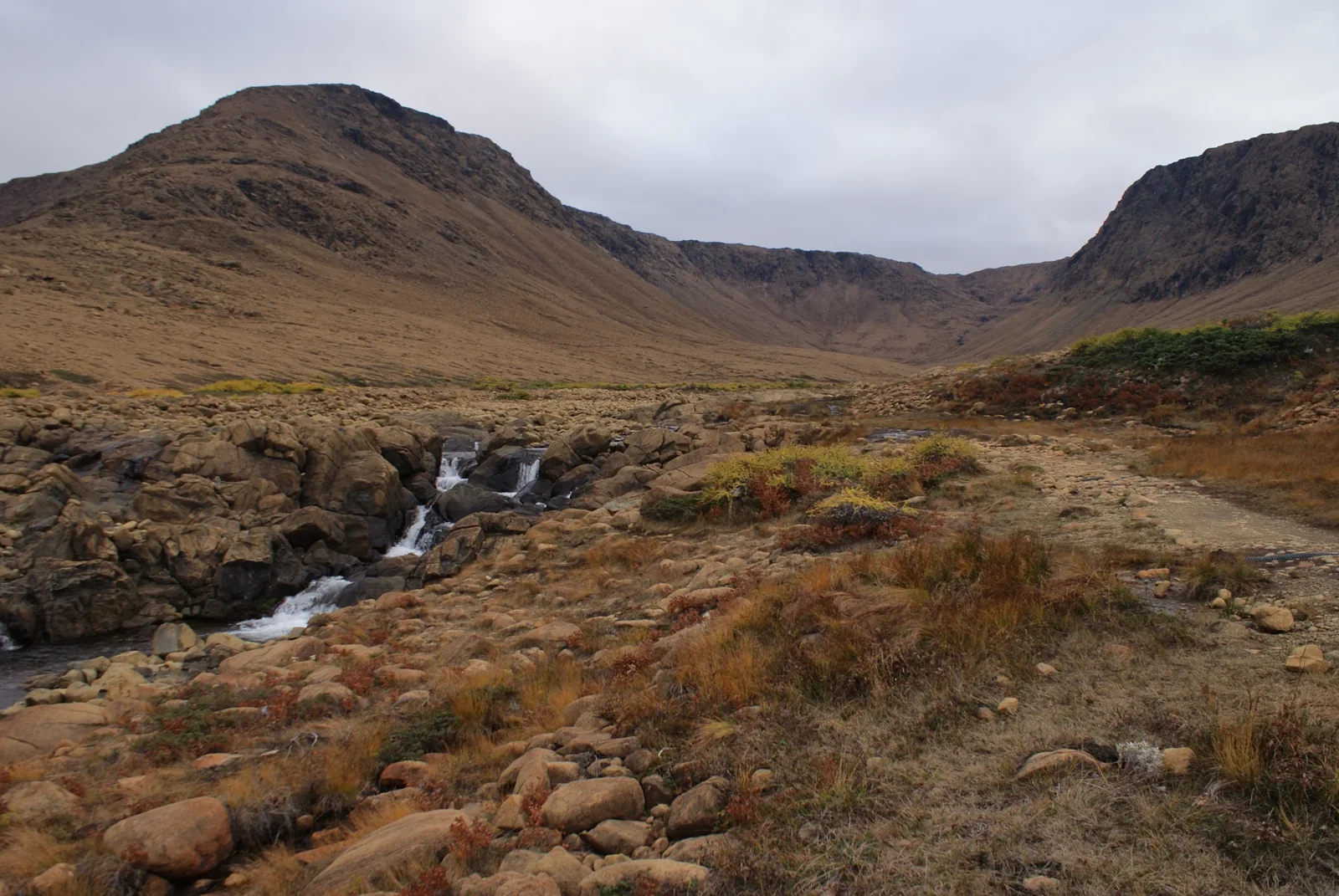
A second photograph can reveal change, but only after you ask whether the two views are truly comparable. Perspective, season and scale are part of the evidence.
Match the question to the record
Glacier monitoring described by Natural Resources Canada considers change over time and its wider significance. Repeat photographs can document visible boundaries and landscape appearance, but they are not interchangeable with direct measurements of thickness or mass. A photograph answers a visual question particularly well; other questions require additional methods.
Compare like with like
Record viewpoint, date, direction and known changes in cropping. A closer camera position can make a distant feature appear larger without any physical growth. Seasonal snow can conceal a boundary. In a useful comparison, these differences are either controlled or made explicit, rather than hidden behind a dramatic before-and-after layout.
State the limit with the observation
A careful caption might say that a visible front lies farther from a fixed rock in two dated images, while noting that total volume cannot be calculated from them alone. This is not a weak conclusion. It is a conclusion sized to the evidence. Keep original files and source captions so another reader can check the comparison.
Read the primary sources
The explanation above is independently written. Sources support the factual foundations; examples and learning prompts are this publication’s own.